

In many properties, the loft sits untouched for years, serving only as a hiding place for old possessions or seasonal items.
Yet this area can offer far more if approached thoughtfully.
With careful planning, the loft becomes a practical extension of the home that supports safer storage, easier organisation, and improved overall functionality.
Householders often underestimate the benefits of taking small, structured steps to enhance this hidden space, even without undertaking a full conversion.
Understanding the layout, structure, and potential limitations of the loft is the starting point for transforming it into something genuinely useful.
Reviewing the Structure and Suitability of the Space
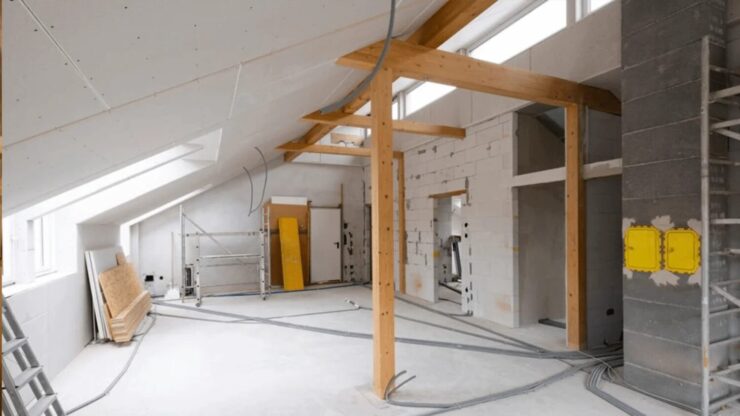
Before any improvements begin, it is important to assess the condition and capacity of the loft.
Ceiling joists in many homes were originally designed only to support plasterboard and insulation, not the weight of people moving around or heavy stored items.
Checking their depth, spacing, and current condition helps determine what level of reinforcement may be required.
Ventilation, wiring routes, plumbing pipes, and signs of dampness should also be reviewed.
Taking this initial step ensures that any changes made later will be safe, practical, and long-lasting.
Considering Access and Safety Features
A common reason people avoid their loft is the difficulty of entering it.
Narrow openings or unstable ladders make access awkward and sometimes risky.
Fitting a properly sized hatch and a sturdy ladder transforms the experience, encouraging more frequent and confident use of the area.
Safety should remain a priority throughout any improvements.
Stable flooring, adequate lighting, and clear pathways all help reduce the risk of accidents, especially when moving items in and out of the loft.
Why Strengthening the Floor Matters
Once access is improved, attention typically shifts to the loft floor. An uneven or fragile surface limits how the space can be used.
Strengthening the joists and adding suitable boarding distributes weight more evenly and prevents potential structural strain. It also creates a safe, level platform for storage.
This is where loft boarding installation becomes relevant, providing a secure foundation that protects both the stored items and the structure of the home.
Maintaining Insulation Performance
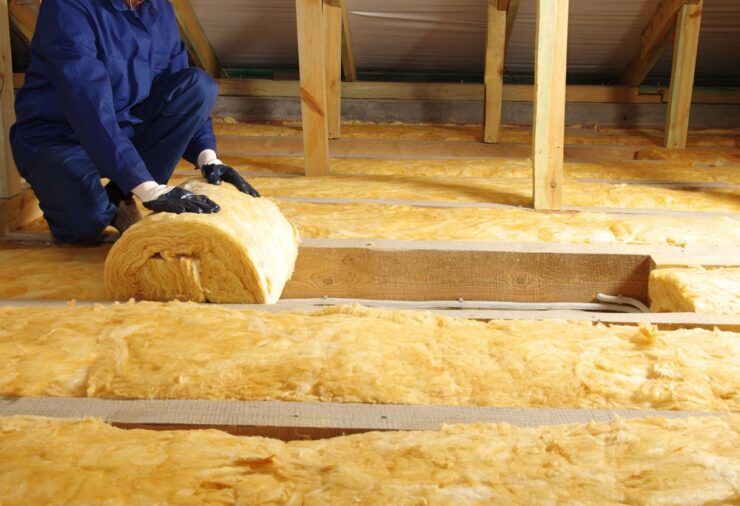
Insulation plays a vital role in regulating household temperature and energy usage.
Many homes have insulation positioned between the joists, which must remain uncompromised.
Compressing it reduces its efficiency, potentially increasing heating costs and affecting comfort levels.
Raised boarding systems help maintain the full depth of the insulation while still creating a usable floor surface.
Ensuring the loft remains well ventilated is equally important, preventing moisture build-up that could damage timber or insulation over time.
Improving Loft Lighting and Layout
Good lighting makes a significant difference to the usability of the loft. A single dim bulb often leaves corners in shadow, making it difficult to navigate or find stored items.
Upgrading to brighter fixtures or adding additional lights creates a more welcoming and manageable environment.
Once lighting is addressed, planning the layout of stored items helps keep the area organised.
Containers, shelves, and clearly marked sections encourage long-term order rather than allowing clutter to accumulate.
Storing Items Safely and Sensibly
Even after strengthening the floor, not all parts of the loft will be equally suitable for heavy loads.
Heavier items should be placed nearer the hatch to avoid carrying weight across the space.
Lightweight items can be positioned further back. Seasonal belongings, documents, and rarely used household equipment often fit neatly into labelled storage boxes.
Clear organisation not only saves time but also helps maintain the structure and safety of the loft by avoiding unnecessary strain on less supported areas.
Sustaining the Loft for Long-Term Use
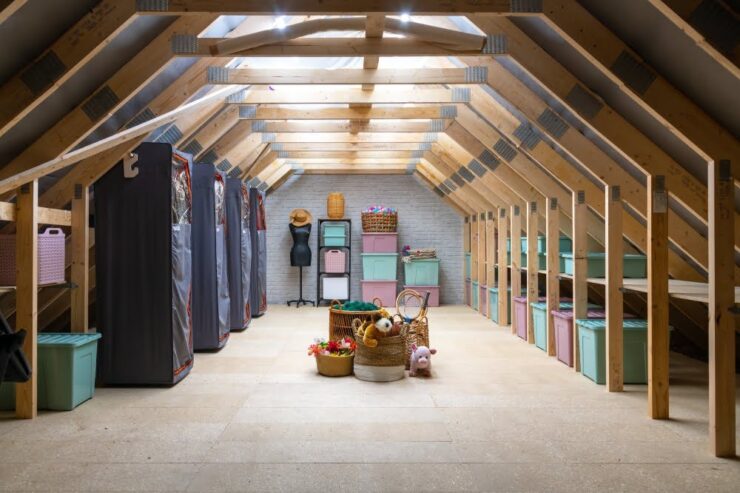
Regular checks help ensure the loft remains in good condition.
Looking out for signs of condensation, disturbed insulation, frayed wires, or shifting boards helps catch issues early.
Simple habits like keeping pathways clear and avoiding excessive weight build-up extend the lifespan of the improvements.
A well-maintained loft becomes a reliable part of the home rather than a neglected, dusty space to avoid.
A Practical Approach to an Underused Area
Enhancing the loft does not require dramatic changes or major construction.
With thoughtful planning, stable flooring, improved access, effective insulation management, and sensible organisation, the loft can become a valuable and safe area for everyday use.
These improvements offer long-term convenience and help homeowners maximise the space they already have, turning an overlooked part of the property into a practical asset.