

Casino games are often judged by their themes or features, but the way they actually play is shaped far more by interface design than most people realise. Long before a player reacts to symbols or outcomes, they are responding to layout, timing, and how the screen behaves. These details quietly influence every decision that follows.
This becomes obvious as soon as someone browses betway casino section, for instance. The first thing that stands out is not the games themselves, but how easy it is to understand what to do. Buttons are where you expect them. Information is clear. Nothing feels crowded. That clarity does not happen by accident. It is the result of interface decisions that guide behaviour without drawing attention to themselves.
Interfaces Shape First Reactions
Before any game logic comes into play, the interface sets expectations. A cluttered screen signals complexity and caution. A clean layout signals flow and confidence. Players subconsciously adjust their behaviour based on what the interface communicates in the first few seconds.
This is why first impressions matter so much in casino gameplay. If a player hesitates at the start, that hesitation often carries into the session. Interfaces that present a clear path forward reduce friction early, allowing gameplay to feel natural rather than forced.
Fewer Choices Change How People Play
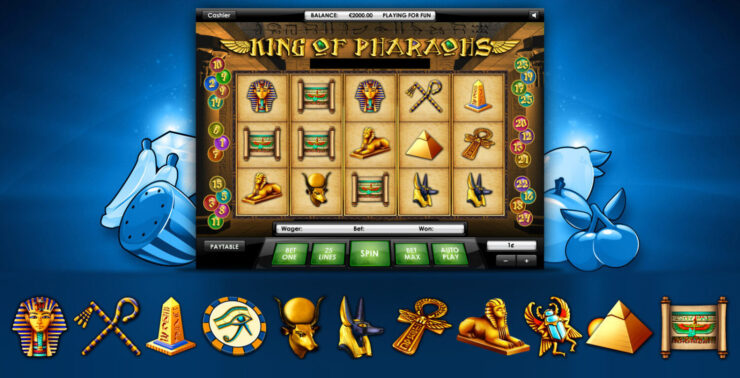
One of the biggest shifts in casino gameplay came when interfaces started removing unnecessary options. Older designs often tried to show everything at once. More buttons. More panels. More numbers. The result was hesitation.
Modern interfaces do the opposite. They focus attention on a small number of actions and make everything else secondary. From a technical standpoint, this simplifies event handling and reduces screen updates. From a player’s point of view, it speeds things up. Actions feel more instinctive because there is less to process.
This reduction in visible choice does not limit gameplay. Instead, it creates momentum. Players move forward instead of pausing to evaluate every option. Over time, this changes how sessions unfold, making play feel smoother and more continuous.
Layout Controls Pace and Rhythm
Where elements sit on the screen has a direct impact on how a game feels. Central placement draws the eye. Consistent positioning builds muscle memory. When controls stay in the same place from one round to the next, players settle into a rhythm.
Technically, this relies on stable layouts that avoid unnecessary redraws. Interfaces are built to update only what needs to change, while the rest of the screen remains fixed. That stability keeps gameplay calm, even during repeated actions.
Rhythm matters more than speed. Games that move too quickly without visual grounding can feel chaotic. A steady layout gives each action weight and keeps players oriented, even after long sessions.
Feedback Is a Technical Conversation
Every tap or click starts a conversation between the player and the system. The interface responds with movement, colour, or sound to confirm what just happened. The timing of that response matters.
Behind the scenes, this is handled through event driven systems. An action triggers a process. The interface reflects the result immediately. When this loop is tight, players feel in control. When it is loose, doubt creeps in. Interface design determines how confident gameplay feels.
Clear feedback also prevents misinterpretation. Players should never wonder whether an action registered. Good interfaces answer that question instantly, without needing words or explanations.
Mobile Use Forced Better Design

The move toward mobile play forced casino interfaces to become more disciplined. Smaller screens leave no room for clutter. Controls had to be reachable with one hand. Text had to stay readable. Visual hierarchy became essential.
These constraints changed gameplay itself. Sessions became shorter. Actions became more direct. Interfaces started guiding play in subtle ways, shaping how often people interacted and how long they stayed.
Mobile design also exposed weak interfaces quickly. Anything confusing or inefficient became obvious on a small screen. Platforms that adapted well carried those lessons back into desktop environments, improving the overall experience.
Those mobile-first lessons also reshaped expectations. Players became less tolerant of slow responses, hidden options, or unclear feedback, even when returning to larger screens. What worked on mobile started to define what felt acceptable everywhere else. As a result, interface discipline stopped being a device-specific concern and became a baseline standard. Platforms either adapted to that reality or quietly fell behind as habits changed.
Interface Design and Repetition
Casino gameplay is built around repetition. The same actions occur again and again. In that environment, even small interface flaws become exhausting over time.
Strong interfaces are designed with long-term use in mind. Animations are kept restrained. Visual noise is reduced. Feedback remains consistent. These choices prevent fatigue and make repeated play feel comfortable rather than draining.
This is one reason classic games translate so well to modern platforms. Their simplicity aligns naturally with interface designs that prioritise clarity and repetition.
Consistency Builds Trust Over Time

Once players learn how one game behaves, they expect the same patterns elsewhere. Platforms that maintain consistent interface logic across games make it easier for people to move around without stopping to relearn anything.
This is where betway often comes up in conversations about interface consistency. Its casino sections follow the same structural logic as the rest of the platform, so movement between games feels familiar rather than disruptive.
Consistency reduces mental effort. Players spend less time orienting themselves and more time engaging with gameplay. Over time, this builds trust without needing explanations or prompts.
When Design Disappears, Gameplay Improves
The most effective interface designs are the ones players barely notice. When buttons respond instantly, layouts stay stable, and feedback feels natural, the technology fades into the background.
That is why interface design plays such a large role in casino gameplay. It shapes pace, confidence, and comfort without ever asking for attention. The rules may stay the same, but the way people play changes entirely depending on how the interface is built.