
Munich is often ranked among Europe’s greenest major cities, and here is a surprising fact to start with: nearly half of Munich’s total area is made up of green spaces, parks, forests, and waterways.
That is not something you expect from a bustling Bavarian capital known for beer halls, museums, and historic squares.
If you are visiting or living here, you quickly realize that nature is not an afterthought. It is woven directly into everyday city life.
From riverside meadows to palace gardens and wild urban forests, Munich’s parks offer calm, beauty, and breathing room.
Let’s explore the best parks in Munich and why these green escapes feel so special.
Why Munich’s Parks Feel Different From Other Cities
Munich’s relationship with green space is deeply intentional.
City planners have long believed that access to nature improves quality of life, mental health, and social connection.
That philosophy shows up everywhere, from bike paths cutting through forests to massive lawns where locals sunbathe without a second thought. Many travelers are surprised by how relaxed and unpolished these spaces feel.
In the first days of exploring the city, you might wander through a park after dinner or meet friends on the grass instead of in a café.
Some visitors even treat parks as social hubs, not unlike nightlife venues.
Interestingly, Munich’s social culture blends elegance and openness, a balance you also see reflected in services like Louisa, which represents the city’s refined yet approachable lifestyle for those curious about Munich’s modern social scene.
This balance between nature, culture, and connection defines the city’s green spaces too.
Englischer Garten: One of the World’s Largest Urban Parks
The Englischer Garten is not just the most famous park in Munich, it is one of the largest urban parks on the planet. It is bigger than Central Park in New York, and once you are inside it, that scale becomes immediately clear.
Rolling meadows stretch endlessly, tree-lined paths disappear into the distance, and the Isar River quietly flows through parts of it.
What makes this park special is how many different experiences it offers in one place.
You can picnic, jog, sunbathe, or simply watch the world go by. The Eisbach surfers are a must-see, drawing crowds year-round as they ride a standing wave in the middle of the city.
Did you know?
The Englischer Garten was created in 1789 and was one of the first public parks in Europe open to everyone, regardless of social class.
Olympiapark: Where Architecture Meets Open Space
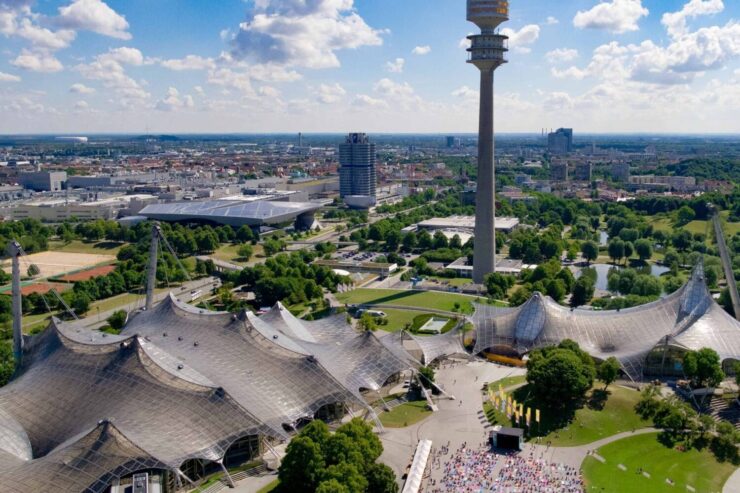
Olympiapark is a fascinating blend of landscape design, modern architecture, and history.
Built for the 1972 Summer Olympics, the park still feels futuristic decades later. Its rolling hills, artificial lake, and iconic tent-like roofs make it one of the most visually distinctive green spaces in Munich.
Unlike more natural parks, Olympiapark feels curated and dynamic.
It is ideal for visitors who enjoy structure along with scenery.
Concerts, festivals, and sporting events regularly take place here, which adds energy without overwhelming the space.
Key highlights you should not miss:
- The Olympic Hill for panoramic city views
- The Olympic Lake for relaxed walks
- The Olympiaturm for skyline photography
Even when events are happening, the park never feels crowded, making it a perfect mix of activity and calm.
Nymphenburg Palace Park: Royal Gardens Open to All
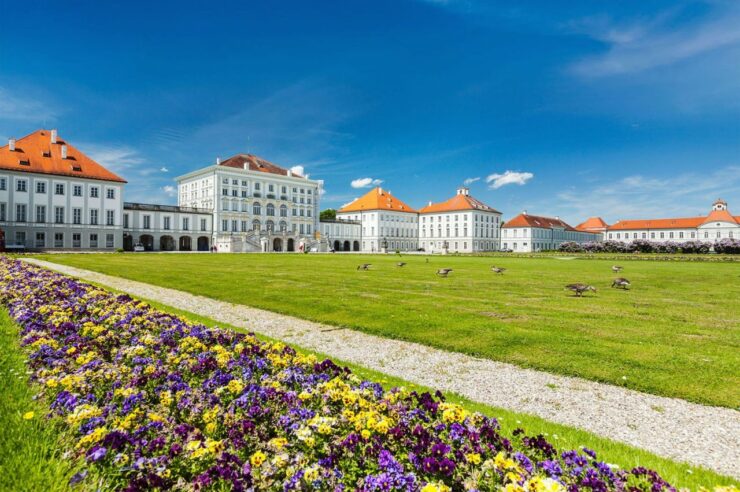
Nymphenburg Palace Park feels like stepping into another era. Once reserved for Bavarian royalty, this expansive garden is now open to the public and offers one of the most elegant park experiences in Munich.
Wide canals, symmetrical pathways, and manicured lawns create a sense of order and tranquility that contrasts beautifully with the lively city beyond its gates.
This park is ideal for slow walks and reflective moments.
Swans glide across the water, and small pavilions are scattered throughout the grounds, each with its own architectural charm.
It is especially beautiful in spring and autumn, when colors transform the landscape.
The park surrounding Nymphenburg Palace covers more than 180 hectares and combines French formal gardens with English landscape design, making it one of Europe’s most impressive palace parks.
Westpark: A Local Favorite With Global Influences
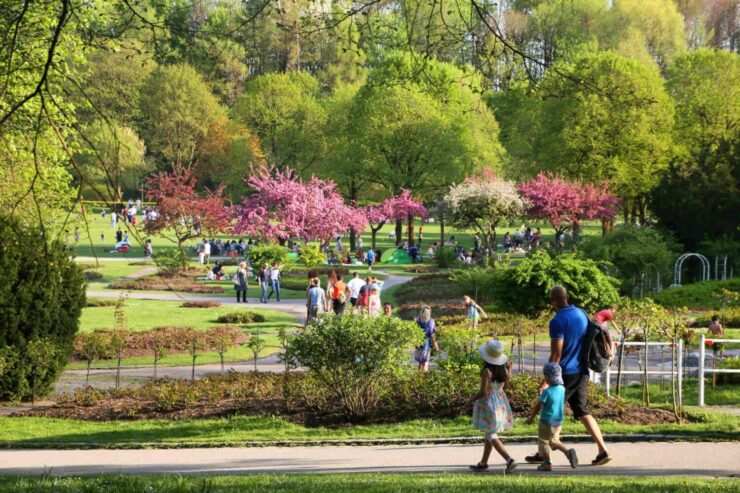
Westpark does not always make it onto tourist itineraries, which is exactly why locals love it.
Created for the International Garden Exhibition in 1983, this park reflects global design influences while remaining deeply relaxed and community-focused.
You will find Japanese and Chinese gardens, rose beds, lakes, and open lawns all within one cohesive space.
This is the park where families gather, students read under trees, and couples watch sunsets without distraction. It feels less polished than Nymphenburg and less monumental than the Englischer Garten, but that is its strength.
A quick look at what Westpark offers:
| Feature | Experience |
| Asian gardens | Peaceful, meditative walks |
| Lakes | Quiet reflection spots |
| Beer garden | Casual social atmosphere |
Westpark is about everyday joy rather than spectacle.
Isar River Parks: Nature in Its Wildest Urban Form
The Isar River parks are unlike traditional city parks. They feel raw, natural, and almost untamed in parts.
Stretching along the riverbanks, these green areas invite locals to interact with nature more freely.
People swim, barbecue, read, and even wade into the shallow water during warmer months.
What sets the Isar apart is its sense of openness.
There are fewer signs, fewer rules, and more personal freedom. It is common to see people spending entire afternoons here without any formal plan.
This is also where Munich’s relaxed attitude shines. The river parks reflect trust between the city and its residents, allowing nature to be enjoyed without heavy control.
For travelers, it offers an authentic look at local life away from curated attractions.
Hofgarten: Calm Elegance in the City Center
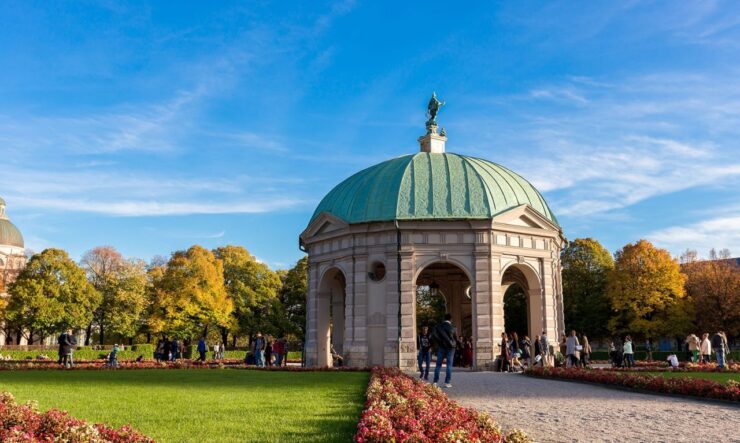
Located near the Residenz, the Hofgarten is a small but powerful reminder that peace does not require vast space.
This Renaissance-style garden is perfectly symmetrical, immaculately maintained, and deeply calming.
Despite being in the heart of Munich, it often feels surprisingly quiet.
The central pavilion acts as a meeting point, while arcades frame the garden with classical beauty.
Musicians sometimes play here, adding soft sound to an already serene environment. It is an ideal stop between museum visits or shopping sessions.
The Hofgarten works best when you slow down.
Sit on a bench, observe the details, and let the rhythm of the city fade into the background.
Hirschgarten: Green Space With a Social Twist
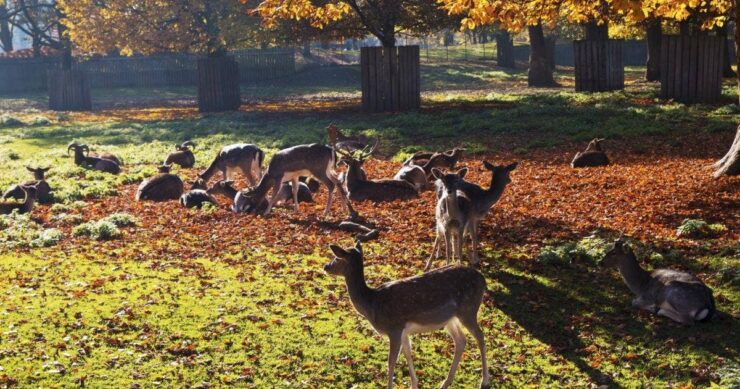
Hirschgarten combines park life with Bavarian tradition in a way that feels effortlessly natural.
It is home to Munich’s largest beer garden, but the surrounding green space is just as important as the tables and benches.
Deer roam freely in an enclosed area, giving the park its name and unique charm.
Families love Hirschgarten because it offers something for everyone.
Children play, adults socialize, and friends gather casually without planning weeks in advance. The atmosphere is welcoming and unpretentious.
This park shows how green spaces can support social life without becoming noisy or overwhelming. It is lively, yes, but still deeply rooted in nature.
Last Words
Munich’s parks are more than places to relax. They are extensions of the city’s identity, reflecting values of balance, openness, and well-being.
Whether you are lying on the grass in the Englischer Garten, wandering through palace gardens, or dipping your feet into the Isar, these green escapes remind you that urban life does not have to mean constant rush.
In Munich, nature is always just a short walk away, quietly waiting to be enjoyed.