

Most people assume that the best form of medical care is at the hospital or doctor’s office, and they’re right, if you’re requiring surgery or emergency attention. But what many families fail to realize is that some of the most common conditions benefit from better medical management in the comfort of home, provided there’s proper support.
This isn’t to say they’re cutting corners to forgo medical care, but rather that certain conditions require consistent, daily attention, something that is difficult to achieve in a 15-minute appointment every few months.
Diabetes Managed Better Through Daily Observation
Diabetes is one of those conditions that’s easier said than done. Check your blood sugar. Take your medicine. Don’t eat that.
Sounds easy enough, right?
But blood sugar spikes and dips occur for various reasons, stress, activity levels, the food consumed three hours earlier, or if there’s a cold on the horizon. An elderly diabetic living independently may not see the bigger picture.
They may check their glucose at the same time every day without realizing it’s plummeting at 3 AM. Or they’re eating what they think is low sugar foods, but without knowing how their foods mesh when consumed all together, they’re messing with their blood sugar levels as well.

An in-home caregiver who specializes in caring for diabetic seniors isn’t just telling them to test their blood sugar; they’re taking notes over time and making meal plans that actually pan out in the long run, as well as catching the early signs of complications.
When someone is observing these daily in the home, seeing what they’re actually eating, how much they’re getting up and moving around, how often they’re drinking, they’re holding everyone involved accountable for stable blood sugar levels.
They also have scientific proof to back it up; they’re not just stories shared in passing to a doctor’s office.
And the numbers prove it. Fewer hospital emergency visits. More A1C levels from 5-7 sustained and less need for insulin therapy and an increased risk for diabetes complications down the line.
Heart Conditions Require More Than A Doctor’s Appointment
Heart conditions operate similarly when a primary care physician assumes check-ups are enough. Oftentimes, people suffer from heart conditions like congestive heart failure, and they require daily weight checks, sodium restrictions, multiple medications multiple times a day, and awareness about breathing.
This is a lot to manage when someone doesn’t feel well enough to manage their own care.
But these complications better manage themselves between doctor’s appointments because things happen gradually. Someone may retain fluids slowly throughout the week, so that it’s only when they’re up ten pounds for two weeks does it raises a flag. Someone may find themselves sleeping with six pillows and propped up, but fails to connect their tiredness to the fact that they can’t lie flat because their lungs are filling with fluid, but they just assume it’s a consequence of aging like everyone else tells them.

Between daily observation in the comfort of home, with someone checking up on them, will require them to make potentially small changes to avoid bigger mistakes down the line. Daily weight checks will allow a caregiver to adjust diets and report back to doctors before weight retention gets out of hand.
A caregiver can make sure dietary restrictions are adhered to rather than just acknowledging them in passing, during doctor’s appointments, when they forget by dinner what they’ve said they couldn’t have for lunch, and doesn’t connect the dots of potentially having cardiac failure.
For families seeking support options, Allentown senior care services cater to this kind of check-up, which keeps cardiac patients stable in their homes for prolonged periods without intervention.
Chronic Breathing Illnesses Benefit From Environmental Regulation
The respiratory illnesses, COPD, asthma, and anything else, are highly dependent on environmental factors. Air quality, humidity levels, dust in the air, dander in general, what someone fails to connect in a clinical setting is that where they are living is just as big a factor as what they’ve inherited as problematic genetics.
Taking a respiratory patient and giving them an outside, professional caregiver means they get someone who can see the home environment as well. A caregiver can observe whether or not air quality is off; if they’re constantly puffing out dust from inhalers; if they’re actually managing their breathing treatments according to schedule or skipping out because they’ve had a rough day.
With someone who can spot the onset of an infection, the slight change in mucus color, the fatigue, or even someone who gives assistance with breathing treatments who can recognize when those symptoms become concerning, a caregiver allows extra insight into what could otherwise be worrying without proper professional help.
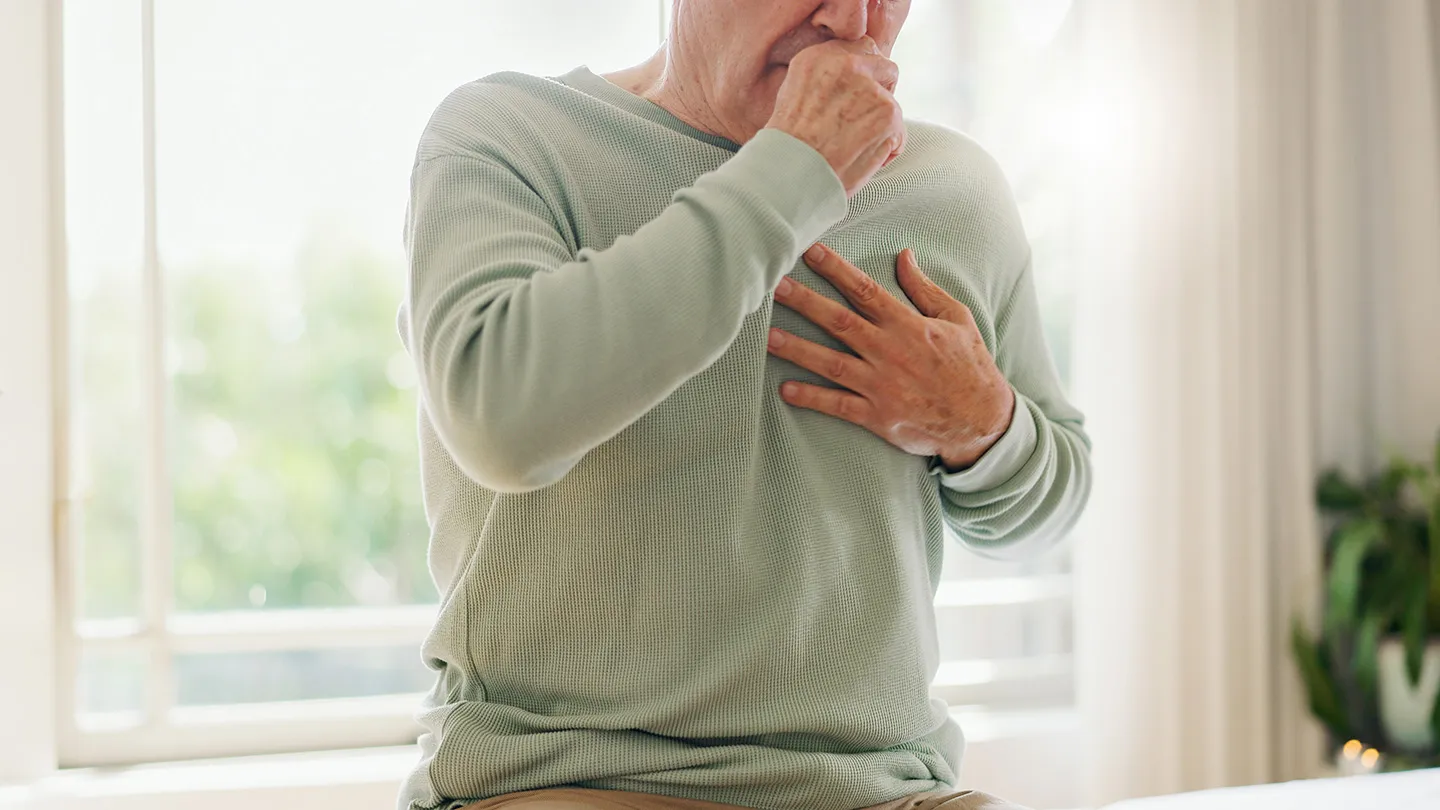
Wound Care Requires Daily Attention
Pressure sores, surgical recovery, diabetic ulcers, they don’t just heal over time; they heal thanks to those on top of cleaning them, ensuring dressing changes are made effectively on time, instead of once every two days, because a busy family couldn’t make it work with schedules or transportation availability.
Wound care is tedious; it occurs often throughout the day, and it can be helpful but non-complicated for those who have professionals actually show up and do it.
Medication Management Saves Thousands of Hospital Visits
Ultimately, this deserves its own section because medication errors send thousands of seniors to the hospital every year. It’s not that people don’t want to take their medicine or they’re careless with it, but it’s hard to keep up with what’s prescribed, regardless of chronic illness on top of everything else.
Medications are prescribed at certain times (some with food but most without); supplements are added in due to aging changes; interactions are possible; side effects are potentially overwhelming; refills are needed, even if it’s like a part-time job dedicated to managers who have good organization skills, it’s even harder for seniors with integrated health conditions.
Professional help allows medications to be organized, taken properly (with side eye just in case they feel drowsy after or nauseous halfway through, a sign that needs to be reported back at the next appointment, but might not get lost along the way without someone noting it).
With caregiving at home, someone will make sure medications are together beforehand, before they run out, because they’ve witnessed firsthand if a prescription failed to work instead of hoping someone didn’t get lost changing it in the first place, after another adjustment came through.

Why The Home Environment Makes Such A Difference
Ultimately, everything comes down to a clinical setting, only providing diagnosis and treatment suggestions compared to what really happens at home. It’s where people eat their actual meals (not anti-inflammatory ones), take (and/or forget) their medications (not all nightly doses), find themselves up and about (or not), sleep through the night, or not, and ultimately determine if they’re going to follow suggestions given or left behind along the way when nobody’s watching.
Professional care merges medical learning with real-life application. It champions the effort between knowing how to do something and actually having additional support on hand to make sure it gets done.
For chronic illnesses that require continued observation instead of shocking medical interventions, daily interventions completely change the outcome. It’s not enough for someone to say, “I don’t have diabetes.” They must realize they’ve changed their life through additional support, so they “have managed their diabetes” because that’s what works best for them.
Those who’ve complicated lives don’t survive; they’re those who’ve managed lives, and made it work through good attentions and consistent support, who’ve been recognized, pay attention to details that fundamentally matter through home-based support for best managing these conditions, which impact quality of life most significantly.