
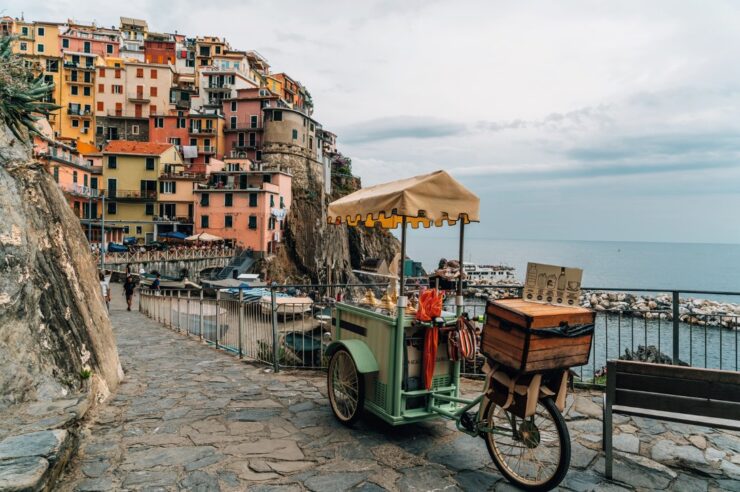
Most people go to Italy with a checklist. Rome, Florence, Venice, maybe a coastal town. You see the highlights, take photos, eat well, and go home happy. But if you want something that actually stays with you, the approach has to shift a bit.
Meaningful travel in Italy usually comes down to how you spend your time, not how many places you visit. It is less about adding more and more about slowing things down enough to notice what is already there.
Slow Down and Stay Longer in Fewer Places
It sounds simple, but this is where everything changes. If you move too fast, Italy becomes a series of impressions. If you stay longer, it starts to feel like a place.
Pick one or two cities and give them real time. Walk the same streets more than once. Sit in the same café two mornings in a row. You begin to recognize people, rhythms, and small details that are invisible on a tight schedule.
Travelers who rush often miss the quieter side of Italy. Even major destinations feel different when you step away from the main areas or visit at quieter times. That shift alone can turn a standard trip into something more personal.
There is no need to avoid famous places. Just don’t treat them as something to rush through.
Learn Something Practical While You’re There
Experiences become more meaningful when you actually do something, not just observe. Food is the easiest entry point in Italy, because it is part of everyday life, not just a tourist attraction.
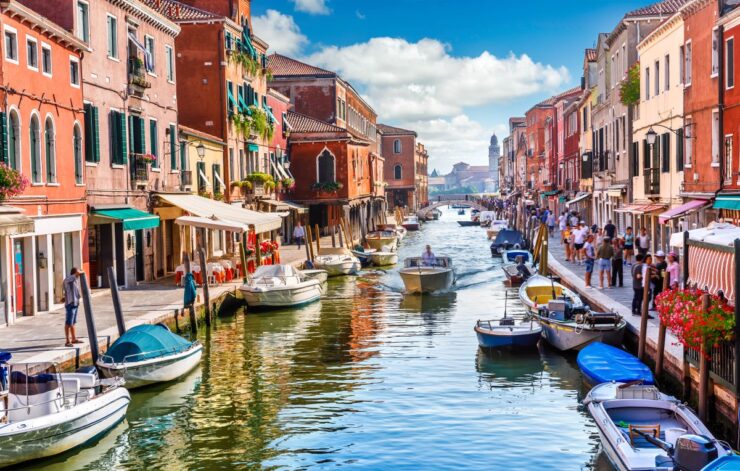
Spending a few hours in a kitchen changes how you understand the country. A simple cooking class in Verona gives you a direct connection to local ingredients, family traditions, and how meals are really prepared, not just served. You leave with something you can recreate later, which keeps the experience alive long after the trip.
This kind of activity also puts you in contact with people who live there. You ask questions, make mistakes, and share a table. That interaction is what most travelers are actually looking for, even if they don’t realize it at first.
Step Away From the Obvious Without Avoiding It Completely
You do not need to skip major destinations to have a meaningful trip. You just need to balance them.
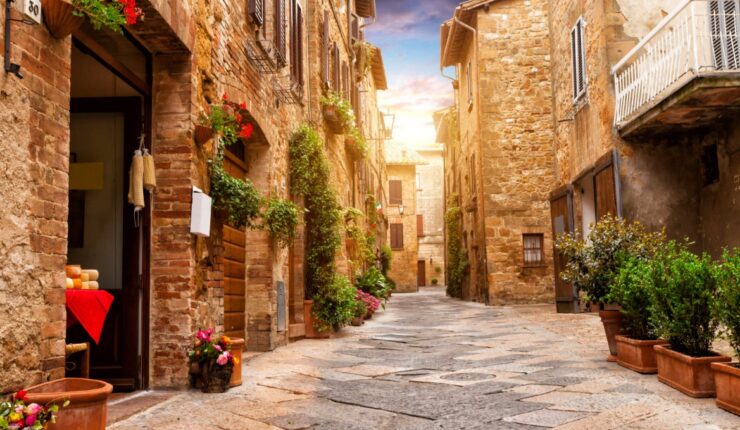
A good approach is to mix well known sights with quieter moments. Visit the main attraction early in the morning, then spend the rest of the day in neighborhoods that are not built around tourism. Even walking a few streets away can change the experience.
Smaller towns and lesser known areas often provide a stronger sense of place. Many travelers find that these locations feel more relaxed and easier to connect with compared to larger cities .
Here are a few simple ways to adjust your plan:
- Spend at least one night outside major cities
- Choose a local restaurant a few blocks away from main squares
- Walk without a fixed route for an hour each day
None of these require extra effort, but they change how the trip feels.
Pay Attention to Daily Italian Routines
One of the easiest ways to connect with Italy is to follow how locals structure their day. It sounds basic, but most travelers ignore it.
Start your morning the way Italians do. Stand at a bar, have a quick coffee, and move on. It is a small detail, but it puts you into the rhythm of the place. Italian breakfasts are usually simple and quick, often just coffee and a pastry at the counter.
Meals are another key part. Dinner happens later than many visitors expect, and it is not rushed. People sit, talk, and take their time. If you adjust to that pace, you stop feeling like an outsider trying to fit in.
Meaningful travel often comes from shared routines, not special events. Daily habits reveal more about a culture than major attractions.
Once you start noticing these patterns, the trip feels less like sightseeing and more like participation.
Talk to People, Even When It Feels Slightly Awkward
Most meaningful moments while traveling come from small conversations. Not long, deep discussions. Just normal, everyday exchanges.
Ask simple questions. Where do you usually eat? What should I try here? People generally respond well when the question is genuine and not rushed.
You do not need perfect Italian. A few words go a long way, and effort matters more than accuracy. Even a short exchange can shift how you see a place.
Experienced travelers often rely on local advice to shape their plans, even after many visits. That tells you something. Information from people on the ground is often more useful than anything you read in advance.
Use Food as a Way to Understand the Culture
Food in Italy is not separate from daily life. It is one of the most direct ways to understand how people live.
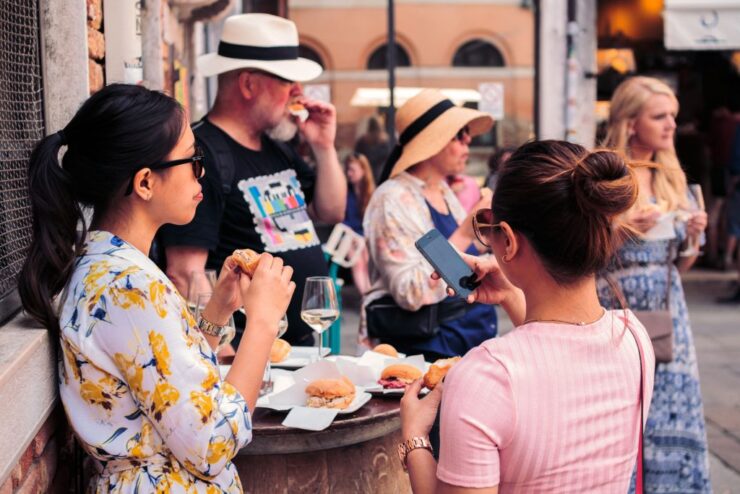
Instead of just eating at popular spots, look for situations where food connects you to people. Markets are a good place to start. You see what people actually buy, not just what is served to visitors.
Cooking classes are another strong option, especially later in the trip when you already have some context. A cooking class in Rome often goes beyond recipes. You learn how ingredients are chosen, how meals are structured, and how food fits into family life.
Food experiences work well because they are practical and social at the same time. You are doing something with your hands while also talking and learning. That combination tends to stay with people longer than passive experiences.
Give Yourself Time to Wander Without a Plan
Some of the best moments in Italy happen when nothing specific is scheduled. Not every hour needs a purpose.
Pick a direction and walk. Turn when something looks interesting. Sit when you feel like stopping. That is often how you find places that never show up in guides.
This does not mean wasting time. It means leaving space for things you cannot plan in advance.
Many travelers notice that wandering side streets and exploring less obvious areas leads to a more personal connection with a destination. You are not following someone else’s idea of what matters. You are responding to what you see.
That shift is small, but it changes how you remember the trip.
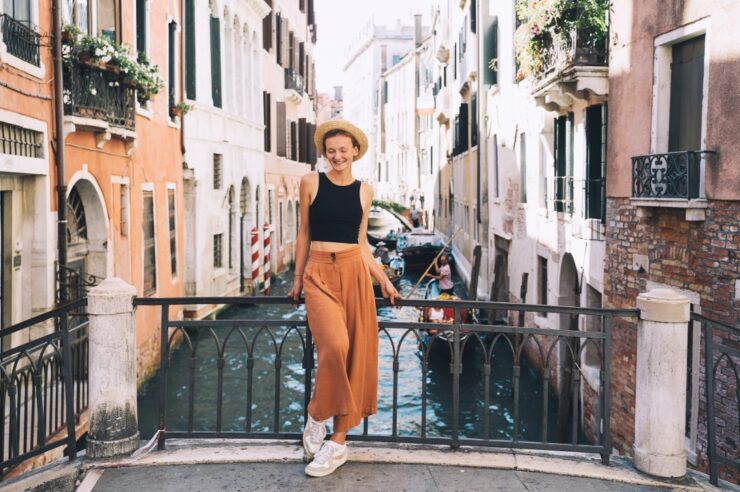
Understand That Meaning Comes From How You Engage
There is no single place in Italy that guarantees a meaningful experience. The difference comes from how you approach the trip.
You can stand in the middle of a famous square and feel disconnected. Or you can spend an hour in a quiet neighborhood café and feel completely present.
Italy gives you the structure. The history, the food, the setting. What you do with it is up to you.
If you slow down, stay curious, and pay attention to how people actually live, the experience becomes more than just travel. It becomes something you carry with you after you leave.